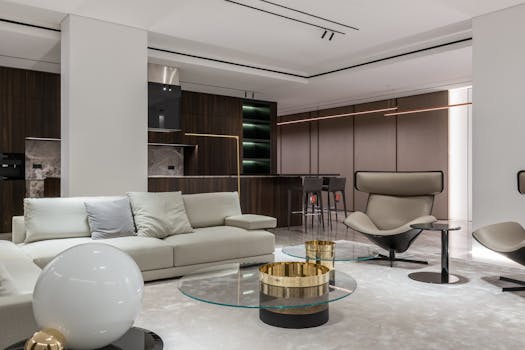
Picture this: you’re flipping through a glossy magazine, captivated by the perfectly curated living room. Every element, from the plush rug to the strategically placed artwork, whispers intention. It’s more than just furniture; it’s a feeling, an atmosphere, a story. For many, this sparks a question: can I cultivate this eye, this understanding, this magic myself, without enrolling in a formal, brick-and-mortar institution? The answer is a resounding yes. The modern landscape has democratized learning, and to learn interior design at home is not just possible; it’s an increasingly viable and rewarding path. But what does that truly entail? It’s more than just pinning images to a board; it’s about delving into the why behind the what.
The Foundational Pillars: What Does “Learning” Really Mean Here?
When we talk about learning interior design at home, it’s crucial to understand that it’s a multifaceted journey. It’s not just about acquiring technical skills, though those are undoubtedly important. It’s also about developing a discerning eye, understanding human psychology in relation to space, and mastering the art of visual storytelling. So, what are the core components you’ll need to focus on?
Color Theory and Psychology: Understanding how colors interact, evoke emotions, and influence mood is paramount. Why does a specific shade of blue feel calming, while a vibrant red can feel energetic? This isn’t guesswork; it’s science and art combined.
Space Planning and Layout: This is the invisible scaffolding of any successful design. It involves understanding scale, proportion, and the flow of movement within a room. How can you make a small space feel expansive, or a large room feel intimate?
Materials and Textures: From the rough embrace of natural wood to the cool sophistication of marble, the tactile and visual properties of materials significantly impact a design. Learning to layer these can add depth and interest.
Lighting Design: Often overlooked, lighting is a powerful tool. It can transform a space, highlight architectural features, and create ambiance. Natural light, ambient light, task light, accent light – each plays a distinct role.
Historical Styles and Trends: While originality is key, understanding the evolution of design provides context and inspiration. What can we learn from Art Deco’s glamour or the minimalist ethos of Japanese design?
Budgeting and Project Management: Practicality is at the heart of great design. Learning how to allocate resources effectively and manage a project from concept to completion is essential, whether for yourself or others.
Navigating the Digital Studio: Resources for Your Home Curriculum
The beauty of learning interior design at home is the sheer abundance of resources at your fingertips. The challenge, however, lies in discerning the truly valuable from the merely superficial. How do you build a robust, self-guided curriculum?
#### Online Courses and Masterclasses: Structured Pathways
Many reputable design schools and online learning platforms offer comprehensive courses. These often provide structured learning paths, video lectures, assignments, and even feedback.
Platforms to Explore: Think Coursera, Udemy, Skillshare, and specialized interior design academies that offer online certifications.
What to Look For: Seek courses that cover the foundational pillars mentioned above, offer practical exercises, and have good reviews. Some even offer virtual studio time or project critiques, which can be invaluable.
#### Books and Publications: The Tangible Foundation
While digital is convenient, there’s a certain gravitas to well-researched design books. They often offer in-depth historical context, detailed case studies, and stunning visual examples that can truly inspire.
Essential Reads: Consider classics on color theory, books by renowned designers, and those that delve into specific architectural styles.
Magazine Deep Dives: Don’t just skim; actively analyze the layouts, the material choices, and the intended mood of spaces featured in design magazines. Try to reverse-engineer why they work.
#### Virtual Tours and Inspiration Platforms: Cultivating Your Aesthetic
Websites like Pinterest and Instagram are goldmines for visual inspiration, but they can also be powerful learning tools if used thoughtfully.
Curate with Purpose: Instead of random pinning, create boards categorized by style, room type, or even specific elements like “unique lighting solutions” or “texture layering.”
Analyze, Don’t Just Admire: When you see something you love, ask yourself why. What about the color palette resonates? How is the furniture arranged? What makes this space feel inviting or sophisticated? This critical analysis is a key part of learning interior design at home.
The Practical Application: Translating Knowledge into Living Spaces
The most significant difference between passively consuming design content and truly learning is application. How can you practice and hone your skills within your own four walls?
#### Experimentation Within Your Own Home: Your Personal Design Lab
Your home is your ultimate classroom. Don’t be afraid to experiment!
Rearrange Furniture: Even minor adjustments can dramatically alter a room’s feel and functionality. Play with different layouts to understand flow and balance.
Test Paint Swatches: This is a low-cost, high-impact way to explore color. Observe how different shades look at various times of day.
Introduce New Textures: Add a new throw pillow, a textured rug, or a decorative ceramic piece. Notice how it interacts with existing elements.
Re-purpose Existing Items: Before buying new, consider if you can update or repurpose what you already own. This fosters creativity and resourcefulness.
#### Developing Your “Designer’s Eye”: The Art of Observation
Learning to see like a designer involves a shift in perspective. It’s about noticing the details and understanding their impact.
Observe Public Spaces: Pay attention to the design of cafes, hotels, shops, and even offices. What elements create their unique atmosphere? What makes them comfortable or inspiring?
Critique Visually: When you look at a room, don’t just see furniture. See the lines, the shapes, the balance, the light, and the implied narrative.
Sketching and Mood Boards: Physically putting ideas down through sketching or creating digital mood boards helps solidify concepts and explore different combinations of colors, textures, and furniture. This active creation process is crucial when you learn interior design at home.
Beyond Aesthetics: Understanding the Human Element
Great interior design isn’t solely about making things look pretty; it’s about creating spaces that serve their inhabitants. This is where the nuances of learning interior design at home become particularly fascinating.
#### Functionality and Ergonomics: The Unseen Heroes
A beautiful room that’s impractical is ultimately a failure. Understanding how people use spaces is as vital as how they look.
Consider Daily Routines: How does someone move through the kitchen while cooking? Where do they place their keys and mail? How much natural light is needed for reading in a living room?
Ergonomic Principles: This relates to comfort and efficiency. Think about the right desk height, the comfortable pitch of a sofa, or the optimal placement of light switches.
Accessibility: As you progress, consider how design can be inclusive and accessible to people of all ages and abilities.
#### Personalization and Storytelling: Making a Space Truly Yours
The most captivating interiors feel personal. They reflect the lives and personalities of the people who inhabit them.
Embrace Your Story: What are your passions, hobbies, and travel experiences? How can these be subtly woven into your decor?
The Power of Art and Objects: A curated collection of art, photographs, or sentimental objects can add immense depth and character to a space.
Balancing Trends with Timelessness: While it’s good to be aware of trends, true design mastery lies in creating spaces that feel relevant and enjoyable for years to come, not just for a season.
Wrapping Up: Your Design Journey, Your Rules
The desire to learn interior design at home is a testament to a burgeoning interest in our surroundings and a belief in our own creative potential. It’s a path that demands self-discipline, curiosity, and a willingness to experiment. It’s not about replicating what you see, but about understanding the principles that underpin beautiful, functional, and meaningful spaces. By embracing the vast resources available, actively applying what you learn, and always questioning why* things work, you can indeed cultivate a profound understanding and a discerning eye, transforming not just your home, but your perception of the world around you. So, embrace the process, trust your intuition, and embark on this rewarding exploration.