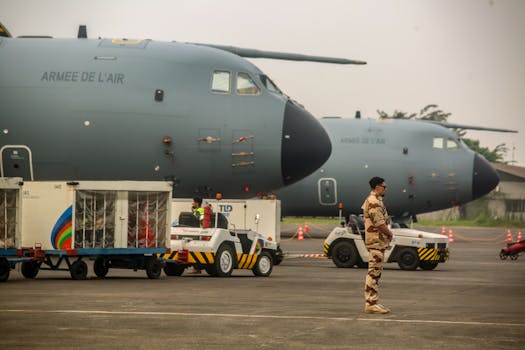

In an era where the safety of air travel is paramount, what truly distinguishes a well-prepared aviation security professional from the rest? It’s not just about memorizing protocols; it’s about possessing a nuanced understanding, adaptive skills, and a commitment to excellence. This is where the value of high-quality aviation security courses comes into sharp focus. We’re not just talking about ticking boxes; we’re exploring how these programs are shaping the guardians of our skies.
Unpacking the “Why”: The Evolving Landscape of Aviation Security
The aviation industry is a dynamic beast. Threats mutate, technologies advance, and passenger expectations shift. Consequently, the demand for sophisticated aviation security measures has never been higher. Relying on outdated training simply won’t cut it. Today’s best aviation security courses go far beyond the foundational elements. They equip individuals with the foresight to anticipate challenges, the agility to respond effectively, and the leadership qualities to instill confidence. It’s a field that demands continuous learning, and the right training is the bedrock upon which that learning is built.
Beyond the Screen: Experiential Learning in Aviation Security Courses
One of the most significant differentiators in modern aviation security training is the emphasis on practical, hands-on experience. Gone are the days of purely theoretical lectures. Top-tier programs integrate realistic simulations, case studies drawn from actual incidents, and scenario-based exercises.
What Makes a Course Truly “Effective”? Key Components to Look For
When evaluating aviation security courses, it’s crucial to look beyond the syllabus description. Several key components signal a program that’s truly invested in your professional development and the broader security of the industry:
Curriculum Depth and Breadth: Does it cover not only the regulatory requirements but also emerging threats, behavioral analysis, and advanced screening techniques?
Instructor Expertise: Are the instructors seasoned professionals with real-world experience in aviation security, not just academics?
Technology Integration: Does the course utilize modern training tools, such as virtual reality simulations or advanced data analysis platforms?
Adaptability: How does the course address the ever-changing nature of threats and security technologies?
Sharpening Your Edge: Specialized Modules for Advanced Roles
While foundational aviation security courses are essential for entry-level positions, many professionals seek specialized training to advance their careers. These advanced modules delve into specific areas, offering a deeper dive into critical aspects of aviation security.
#### Understanding the Human Element: Behavioral Detection Training
A significant portion of security relies on observing and understanding human behavior. Behavioral detection training teaches professionals to identify subtle cues that might indicate illicit intent. This isn’t about profiling, but rather about recognizing anomalies in behavior that warrant further attention. Courses focusing on this often explore psychology, communication, and situational awareness.
#### Mastering the Tools: Advanced Screening Technologies
The technology used in aviation security is constantly evolving. From sophisticated X-ray scanners to advanced explosive detection systems, proficiency with these tools is vital. Effective courses will provide not just an overview but practical training on operating and interpreting results from these advanced screening technologies. This includes understanding the limitations and capabilities of each system.
#### Navigating the Regulations: Compliance and Risk Management
Aviation security is heavily regulated. Understanding the nuances of international and national regulations (like ICAO, TSA, or EASA standards) is non-negotiable. However, the best training goes beyond mere compliance. It teaches professionals how to implement effective risk management strategies, ensuring that security measures are not just present but also optimally deployed to mitigate actual threats.
The ROI of Rigorous Training: Career Advancement and Industry Impact
Investing in quality aviation security courses isn’t just about gaining knowledge; it’s about investing in your future and the integrity of the entire aviation ecosystem. Graduates from reputable programs often find themselves better positioned for promotions, leadership roles, and specialized positions. Moreover, their enhanced skills contribute directly to making air travel safer for everyone. It’s a virtuous cycle: better-trained individuals lead to more secure environments, which in turn builds greater public trust.
Building the Future of Flight Safety
Ultimately, the effectiveness of any aviation security program hinges on its ability to foster critical thinking, adaptability, and a proactive mindset. The threat landscape in aviation is never static, and neither should be the training that prepares professionals to face it.
Wrapping Up: Your Next Step in Securing the Skies
Choosing the right aviation security courses is a pivotal decision for anyone serious about a career in this vital field. Look for programs that prioritize practical application, cutting-edge knowledge, and the development of a security-conscious mindset. By investing in comprehensive and forward-thinking training, you’re not just enhancing your own capabilities; you’re actively contributing to the safety and security of global air travel. The skies are waiting for your expertise.