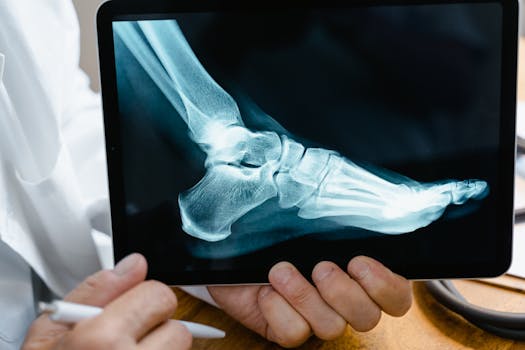

We’ve all seen the calendars, the social media posts, the internal hospital announcements. National Radiologic Technology Week arrives each year, typically in November, a dedicated time to acknowledge the vital role of radiologic technologists. But have you ever paused to consider why such a week exists, or what its true significance is beyond a simple pat on the back? Is it merely a symbolic gesture, or does it hold a deeper purpose in shaping the future of medical imaging and patient care? Let’s dive in and explore what truly lies beneath the surface of this important observance.
The Genesis of Recognition: Why Radiologic Technologists Need a Dedicated Week
It’s easy to overlook the individuals who operate the machines that peer into our bodies, revealing the unseen. Yet, these professionals are on the front lines of diagnosis and treatment, wielding sophisticated technology with precision and care. So, what prompted the establishment of National Radiologic Technology Week? It wasn’t an arbitrary decision. It was born out of a recognized need to highlight the indispensable contributions of radiologic technologists (R.T.s) and to educate the public and medical community about their specialized skills and the advanced imaging modalities they master.
Consider this: the field of medical imaging has undergone a breathtaking evolution. From early X-rays to cutting-edge CT, MRI, and PET scans, the technology is constantly advancing. But technology is only as good as the hands that operate it. Radiologic technologists aren’t just button-pushers; they are skilled practitioners who understand anatomy, physics, patient positioning, radiation safety, and image interpretation. This week serves as a crucial platform to emphasize these multifaceted competencies.
Beyond the Scan: The Unsung Heroes of Patient Care
When we think of National Radiologic Technology Week, our minds might immediately jump to the technology itself – the gleaming machines and intricate images. However, the human element is arguably the most critical aspect. Radiologic technologists are often the first point of contact for patients undergoing imaging procedures. This interaction is not just transactional; it’s deeply personal.
Think about a patient experiencing significant pain or anxiety. The technologist is the one who must explain the procedure, alleviate fears, and ensure comfort during what can be an intimidating experience. They are the compassionate voice in a sterile environment, the reassuring presence during a moment of vulnerability. Their ability to connect with patients, explain complex processes in understandable terms, and provide emotional support is as vital to the healing process as the diagnostic image itself. This aspect of their role is often underappreciated, and National Radiologic Technology Week offers a timely reminder of their profound impact on the patient journey.
Navigating the Evolution: Staying Ahead in a Dynamic Field
The landscape of radiologic technology is in perpetual motion. New techniques emerge, imaging resolutions improve, and the ethical considerations surrounding patient data and radiation exposure become more nuanced. National Radiologic Technology Week serves as an excellent catalyst for ongoing professional development and education.
It’s an opportunity for institutions and professional organizations to:
Host educational seminars and workshops: Focusing on the latest advancements in imaging modalities like digital radiography, interventional radiology, or specialized ultrasound techniques.
Promote continuing education credits: Encouraging technologists to stay current with best practices and emerging technologies.
Share research and case studies: Highlighting innovative applications of radiologic technology in diagnosing and treating various conditions.
This focus on continuous learning ensures that radiologic technologists remain at the forefront of their profession, equipped to deliver the highest standard of care in an ever-evolving medical field. It’s about more than just celebrating what they do; it’s about investing in their future and the future of medical imaging.
What Can You Do to Elevate National Radiologic Technology Week?
So, if this week is so important, how can we, as patients, colleagues, or even aspiring professionals, truly engage with and amplify its message? It’s not enough to simply acknowledge the date. We can actively participate and contribute to its deeper meaning.
Express Gratitude: If you or a loved one has benefited from the skills of a radiologic technologist, take a moment to express your appreciation. A simple thank you can go a long way.
Educate Yourself: Learn more about the different types of imaging procedures and the expertise required to perform them. Understanding the science behind the images can foster a greater respect for the profession.
Support Professional Organizations: Many professional bodies, such as the American Society of Radiologic Technologists (ASRT), are instrumental in advocating for the profession and promoting educational initiatives. Consider supporting their work.
* Consider a Career: For those interested in a rewarding healthcare career that blends science, technology, and patient interaction, exploring a path in radiologic technology might be an excellent choice.
National Radiologic Technology Week offers a powerful opportunity to reflect on the indispensable role these professionals play. It’s a chance to look beyond the images on the screen and recognize the skilled, compassionate individuals who make it all possible.
Final Thoughts: Cultivating a Culture of Appreciation Beyond the Annual Observance
Ultimately, National Radiologic Technology Week is more than just a calendar entry; it’s an imperative call to action. It compels us to move beyond passive recognition and cultivate a deeper, ongoing appreciation for radiologic technologists. While a dedicated week is invaluable for focused attention, the true measure of its success lies in its ability to foster a lasting culture of respect and understanding within healthcare systems and the wider community. Let this annual observance serve not as an endpoint, but as a springboard, encouraging consistent acknowledgement of the expertise, dedication, and compassionate care that radiologic technologists bring to patient care every single day.